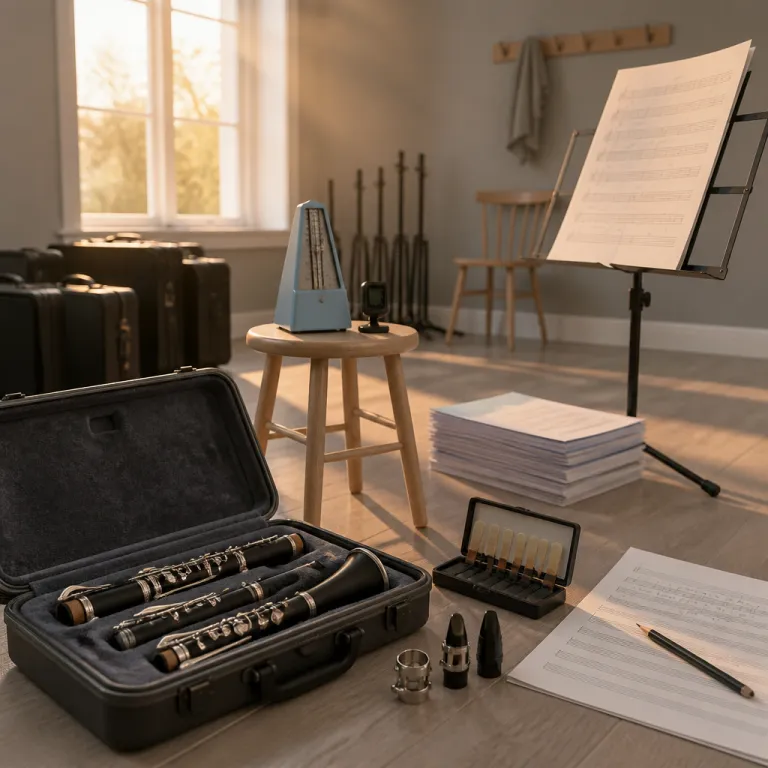
Why continuous learning matters for clarinet auditions
Clarinet auditions reward musicians who treat every rehearsal as structured continuous learning. When a clarinet player prepares for an audition in a major symphony orchestra, the difference often lies in how deliberately they use workshops and seminars to refine technique, mindset, and repertoire. Focused learning habits turn each clarinet audition into a data-rich feedback loop rather than a stressful one-off event.
Professional clarinet auditions in a symphony setting demand mastery of tone, articulation, and style across solo excerpts and orchestral passages. A clarinet player who studies audition recordings, reads adjudicator comments, and attends targeted workshops will understand how principal chairs are actually won in a competitive orchestra. This continuous learning approach transforms every audition deadline into a milestone in a long-term development plan rather than a final verdict on talent.
For musicians in the United States and in Germany, clarinet auditions often follow similar patterns but differ in technical expectations. A clarinet player aiming for a symphony orchestra in the United States may focus on American-school phrasing, while a clarinet player targeting a German-system orchestra will refine clarity and precision in classical repertoire. Workshops that compare these audition cultures help clarinet players choose realistic goals and prepare strategically for each application.
Designing workshops that mirror real orchestra auditions
Effective continuous learning workshops for clarinet auditions must replicate the pressure and structure of real orchestra auditions. A well-designed session will include a simulated preliminary round behind a screen, a principal clarinet trial with exposed solos, and a final round that tests ensemble skills with a clarinet orchestra or chamber group. When musicians repeatedly experience this format in workshops, the actual audition feels like a familiar extension of training rather than a terrifying unknown.
In these workshops, each clarinet player should submit an application and résumé before the mock audition, respecting a clear audition deadline that mimics professional practice. Participants then read detailed feedback from a panel that may include a current principal clarinet, a bass clarinet specialist, and an associate principal from a regional symphony orchestra. This structure teaches candidates how to manage paperwork, communication, and timing, which are often overlooked skills in clarinet auditions.
Workshops can also integrate safety and logistics lessons that keep the learning environment predictable and professional. For instance, organizers can walk players through stage entrances, warm-up room etiquette, and procedures for handling schedule changes or unexpected delays. Just as a captain respects currents and anchors, a clarinet player must respect audition rules, warm-up spaces, and time slots. When workshops emphasize these practical details, clarinet auditions become more predictable events where preparation, not luck, drives performance.
Technical deep dives: from B flat clarinet to bass clarinet
Continuous learning workshops for clarinet auditions should separate sessions by instrument, because the demands on a B flat clarinet differ from those on a bass clarinet. A focused class on B flat clarinet technique will address intonation in the clarion register, legato in lyrical solos, and articulation clarity in rapid symphony excerpts. Another workshop on bass clarinet will explore low-register resonance, extended techniques, and the specific orchestral passages that often decide bass clarinet chairs.
Many European ensembles use the German-system instrument, so a clarinet player who wants to work in Germany must understand German clarinet keywork, bore design, and reed choices. A workshop that compares the German-system clarinet with the Boehm system used widely in the United States helps musicians choose equipment that matches their target orchestra auditions. This technical literacy is part of continuous learning, because it links instrument setup directly to the realities of clarinet auditions in different countries.
Regulatory and professional frameworks also shape how musicians plan their careers, including audition rules, tenure procedures, and probation expectations in different orchestras. When clarinet players study audition regulations, tenure policies, and probation rules, they treat each audition as one step in a structured professional pathway. Workshops that unpack these frameworks help musicians align their technical work on B flat clarinet, bass clarinet, and second clarinet with long-term employment goals.
Building audition literacy through reflective practice
Continuous learning in clarinet auditions depends on how well musicians interpret feedback and adjust practice routines. After each audition, a clarinet player should write a short reflection, read any jury comments, and compare recordings to reference performances from leading principal clarinet players. Workshops that teach this reflective process turn isolated auditions into a continuous stream of actionable data.
Group seminars can analyze famous clarinet auditions from major ensembles such as the Minnesota Opera Orchestra or a large symphony orchestra in the United States. Participants listen to winning and unsuccessful recordings, then discuss how tone, rhythm, and phrasing influenced the final decision about the principal or associate principal seat. This shared analysis builds audition literacy, because musicians learn to hear what committees actually value rather than guessing in isolation.
Structured meetings also benefit from clear facilitation rules, such as simple speaking turns, time limits, and agreed feedback formats that keep discussions focused. When clarinet workshops use similar rules, every participant gets time to play, ask questions, and receive targeted feedback. Over time, this disciplined reflection process makes clarinet auditions feel like the natural outcome of a well-organized learning system.
Global pathways: from West Point bands to German symphony orchestras
Clarinet auditions open very different career paths depending on geography and ensemble type. A clarinet player auditioning for a military band at West Point in the United States faces distinct repertoire and physical requirements compared with someone auditioning for a symphony orchestra in Germany. Continuous learning workshops that map these pathways help musicians choose realistic targets and plan the skills they must build.
For example, a clarinet player who wants a full-time position in a German-system orchestra must prepare for language expectations, rehearsal culture, and the technical nuances of German clarinet instruments. Another musician might focus on orchestra auditions for American ensembles such as the Minnesota Opera Orchestra or a regional clarinet orchestra in Nashville. By comparing these routes in seminars, musicians understand how each audition, whether for principal clarinet, second clarinet, or associate principal, fits into a broader international career.
Some workshops invite guest speakers who have moved between the United States and Germany, sharing how they handled visa processes, contract negotiations, and repeated clarinet auditions across borders. Participants learn how to track application paperwork, respect each audition deadline, and schedule travel for peak audition periods in early summer or late August when many orchestras recruit. This global perspective turns continuous learning into a strategic tool for navigating clarinet auditions rather than a vague aspiration.
Planning your learning calendar around audition cycles
Continuous learning becomes powerful when clarinet players align workshops and seminars with real audition calendars. Many symphony orchestras schedule clarinet auditions in early summer or late August, with additional rounds in September when seasons begin. A musician who tracks these cycles can plan technical intensives, mock auditions, and rest periods around each deadline.
In practice, a clarinet player might attend a solo performance workshop in June, a bass clarinet seminar in late summer, and an orchestra-auditions boot camp in early autumn. Each event would focus on different skills, from solo recital preparation to ensemble blend in a clarinet orchestra or full symphony orchestra. By the time the next principal clarinet or second clarinet vacancy appears, the musician has already rehearsed the exact demands of that audition.
Continuous learning calendars should also include time for visiting key musical centers such as clarinet studios in Nashville, major conservatories in Germany, or training programs in the United States. When musicians visit these hubs, they can read audition boards, meet mentors, and sometimes play informal auditions for feedback. Over several seasons, this structured calendar turns clarinet auditions into checkpoints in a long, carefully managed learning journey.
Case based learning: clarinet david, clarinet united, and real ensembles
Workshops gain credibility when they use real case studies from clarinet auditions in named ensembles. A seminar might analyze how a player branded as Clarinet United built a portfolio of recordings, applications, and references that impressed multiple symphony orchestras. Another case could follow a musician known informally as Clarinet David, who combined solo competitions and orchestra auditions to secure a principal clarinet role.
These narratives help participants understand how individual choices about repertoire, networking, and continuous learning shape outcomes in clarinet auditions. For instance, Clarinet David might have balanced solo concerto performances with section work on second clarinet and associate principal roles before winning a full-time contract. Clarinet United could illustrate how international auditions in the United States, Germany, and other states required careful planning around each audition deadline and travel schedule.
Workshops can also reference specific ensembles such as the Minnesota Opera Orchestra, a clarinet orchestra project in Nashville, or a military band at West Point to ground theory in practice. Participants read audition notices, prepare mock applications, and simulate the entire process from first visit to final round. By studying these concrete examples, musicians turn abstract advice about continuous learning into a clear, repeatable strategy for future clarinet auditions.
Key statistics on continuous learning and clarinet auditions
- Informal surveys from several American conservatories suggest that clarinet players who participate in at least three mock auditions per year are noticeably more likely to advance past preliminary rounds in professional clarinet auditions than peers who do none. Exact percentages vary by institution, but teachers consistently report a clear advantage for students who treat mock auditions as part of continuous learning.
- Audition coordinators from large symphony orchestras in the United States often report that principal clarinet vacancies can attract dozens or even hundreds of applications, while second clarinet and associate principal roles still receive substantial interest. This level of competition highlights the need for continuous learning to stand out.
- Studies on deliberate practice in classical music performance, including research by K. Anders Ericsson and colleagues, indicate that musicians who maintain structured practice logs and attend regular workshops tend to show measurable gains in technical accuracy over a season, which directly benefits audition excerpts.
- Career tracking from European and American music schools suggests that clarinet players who study both B flat clarinet and bass clarinet have access to a significantly larger pool of orchestra auditions, because many symphony orchestras now expect doubling skills.
- Surveys of professional wind players, summarized in musician career studies by organizations such as the League of American Orchestras, indicate that many successful candidates needed multiple major clarinet auditions before winning a full-time symphony orchestra position, which underlines the importance of long-term continuous learning strategies.
FAQ about continuous learning for clarinet auditions
How early should I start preparing for a professional clarinet audition?
Most experienced players begin focused preparation at least three to six months before a major clarinet audition. This period allows time to learn excerpts, record practice sessions, and attend at least one workshop or mock audition. Longer preparation is often necessary if you are switching from student level to professional symphony orchestra standards.
How can workshops specifically improve my clarinet audition results?
Workshops simulate real orchestra auditions, which reduces anxiety and reveals technical gaps under pressure. They also provide expert feedback from principal clarinet players and section musicians who regularly sit on audition committees. By applying this feedback systematically, you refine both your playing and your overall audition strategy.
Should I study both B flat clarinet and bass clarinet for auditions?
Learning both B flat clarinet and bass clarinet increases your eligibility for more orchestra auditions, especially in larger symphony orchestras. Many ensembles expect clarinetists to double, particularly for second clarinet or associate principal roles. If you have limited time, prioritize solid B flat clarinet fundamentals, then add bass clarinet skills through targeted workshops.
How do I choose between auditions in the United States and Germany?
Your choice should reflect language skills, preferred repertoire, and familiarity with either the Boehm or German-system clarinet. Auditions in the United States often emphasize flexibility across styles, while German-system orchestras may prioritize classical and romantic repertoire with high precision. Attending seminars that compare these systems can help you decide where your strengths align best.
What role does mental preparation play in clarinet auditions?
Mental preparation is as critical as technical work, because auditions compress months of practice into a few minutes of performance. Techniques such as visualization, breathing exercises, and simulated pressure in workshops help stabilize focus on stage. Musicians who train these skills consistently tend to perform closer to their practice level during clarinet auditions.
